
Use AI to Write Real Estate Listing Descriptions
How to use AI to write real estate listing descriptions: build a facts sheet, draft, audit every claim, clear fair housing and pick the best model.

The first draft AI writes for your listing will sound like every other listing on the MLS.
Charming. Stunning. Perfect for a growing family. You have read those words on a thousand listings, and a model has read them on a million more, so that is where it lands when you hand it a bedroom count and ask for a description.
Here is how to use AI to write real estate listing descriptions that do not land there: give the model a facts sheet before it sees a photo, have it read the photos back to you, ban the tired words, audit every claim against the sheet, run a fair housing pass, and put the same prompt to two or three models so you pick the winner on the page.
You have three listings to write, an open house to follow up, a neighborhood guide a buyer asked for and a reel that needs a script. The description is the part you keep putting off, because it is the part where a blank box stares back.
The model writes the sentences. Your facts sheet decides whether they are true, and whether they are yours.
The house below is made up: 2417 Alder Street, a 1962 one story with a 2022 kitchen and a fig tree. The prompts are the ones you will paste. Every step ends with a reply and a verdict on it.
Build the facts sheet before you open a photo

A model is only as specific as what you hand it. Most agents hand it the MLS input form: beds, baths, square feet, year built, a list of upgrades. That is a spec sheet, and a spec sheet produces spec sheet prose.
The facts sheet keeps those specs and adds the half that makes a listing yours. One page, six blocks, in this order:
- The specs: address, price, type, beds, baths, square feet, lot and year built.
- What changed, with years. A year is a fact. "Recently updated" is a mood.
- What did not change, said plainly. The original tile, the single pane windows, the one car garage.
- The detail only this house has. Ask the seller one question: what will you miss when you move out? The answer goes here.
- Location facts as distances, with who estimated each one. Nothing about the people who live nearby.
- A do not say block, plus your MLS field limit.
Here is the sheet for Alder Street, filled in the way it would look after twenty minutes with the seller:
LISTING FACTS SHEET

SPECS
Address: 2417 Alder Street (made up for this example)
Price: $389,000
Type: single family, one story
Beds and baths: 3 bed, 2 bath
Interior: 1,640 sq ft
Lot: 0.21 acre, fenced back yard
Year built: 1962

CHANGED, WITH YEARS
Kitchen: remodeled 2022. White shaker cabinets, quartz counters, gas range. Window over the sink faces east.
Floors: original oak, refinished 2021. Living room, hall, all three bedrooms.
Roof: architectural shingles, 2019
Heat and air: heat pump, 2017
Back porch: screened, 12 by 14, added by the sellers in 2015

NOT CHANGED, SAY IT PLAINLY
Hall bath: original 1962 pink tile, kept on purpose
Windows: front of the house original single pane. Back of the house double pane.
Garage: one car, plus a carport. Workbench stays.

THE DETAIL ONLY THIS HOUSE HAS
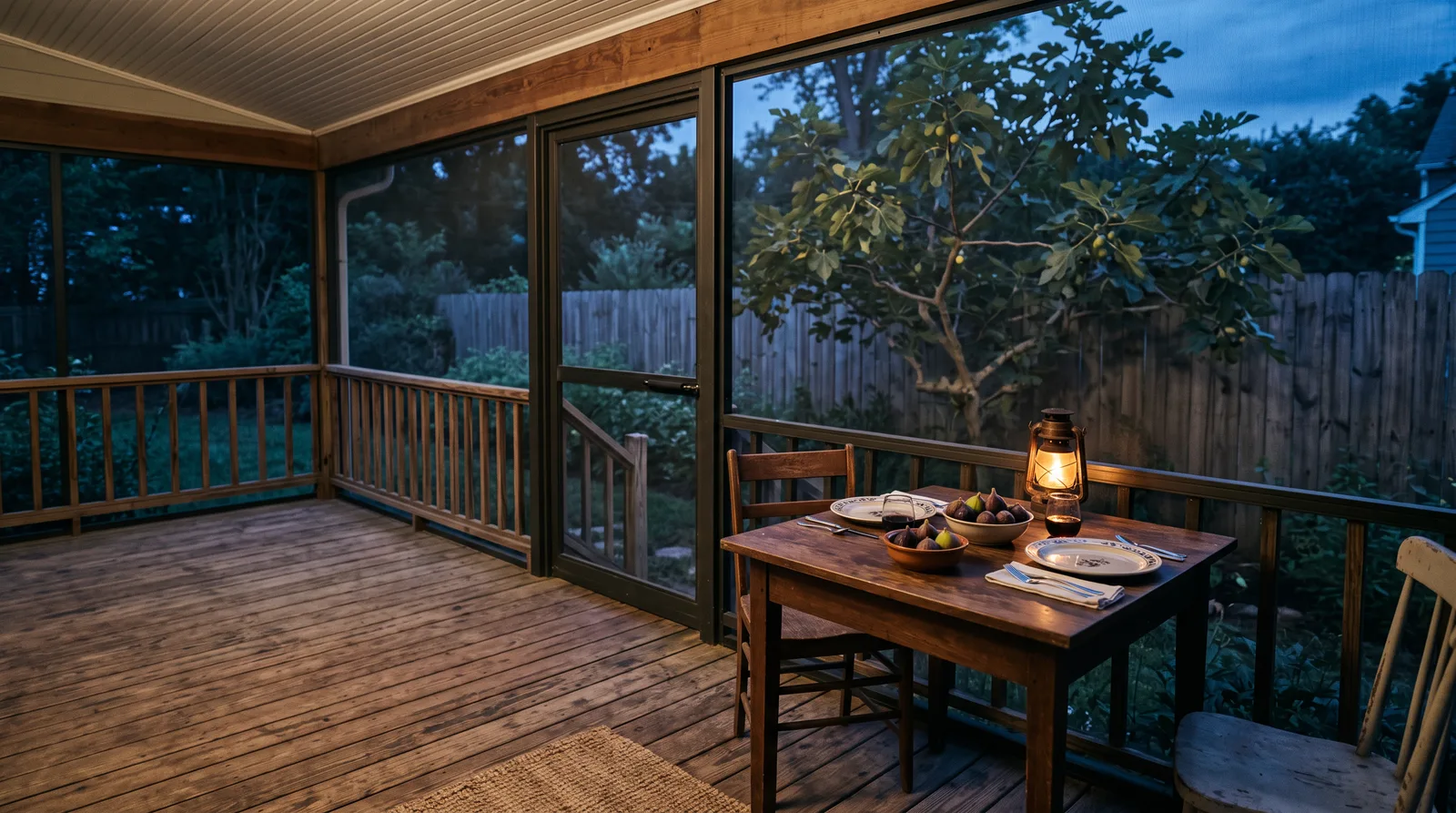
Sellers have owned it 19 years. They eat dinner on the screened porch from April through October. The fig tree by the back fence was planted by the previous owner and bears in August.

LOCATION, DISTANCES ONLY
Harlow Park: about a 6 minute walk (sellers' estimate)
Downtown: 12 minute drive

DO NOT SAY
Nothing about schools. No "family," "starter," "bachelor" or any word about who should live here. No claims about the neighbors.

MLS
Public remarks field limit: 1,000 characters (placeholder, check yours)
Two blocks feel like confessions. The one that says what did not change is the worst of them. It feels like handing the buyer a reason to walk.
It does the opposite. A house that admits its original pink tile has earned the right to call the kitchen new, and a buyer who finds the single pane windows alone will wonder what else got left out.
The fourth block is the whole listing. Every other block exists on every sheet for every house. The porch dinner and the fig tree exist on one.
Open a new thread in Magai, name it for the address and paste the sheet in. If the seller sent notes as a PDF or an email, attach the file instead and ask the model to fill in the sheet from it, then correct what it got wrong. Everything after this step happens in the same thread, so the sheet is typed once. When you switch models partway through, the thread's memory does not reset, and that matters in the comparison step.
You will want to skip this because it takes longer than typing "write a listing." It does. It also replaces the edit that follows.
Have the model read the photos back to you
Attach eight to twelve photos to the thread, exterior first. Pick a model that reads images: the Claude, GPT and Gemini families all do. Add /Claude to the message if you want that one by name, then paste this:
Attached are the photos for the house on the facts sheet above.

1. For each photo, list what is plainly visible: the room, the finishes, the light, the condition.
2. Where you are guessing at a material, write "looks like" and say what would confirm it.
3. Then list anything in the photos that conflicts with the facts sheet.
4. Then list anything on the facts sheet that no photo shows.
5. Do not write any marketing copy yet.
The reply is a table with one row per photo and two short lists under it. Read the lists first. They are the point.
A conflict is a decision. If a photo shows white cabinets and the sheet says gray, the sheet is probably wrong and the seller is the person to ask. If the sheet says the kitchen window faces east and nothing in the photos shows that window, take one more photo.
"Looks like" is the right answer for a countertop. A photo rarely settles what a surface is made of, which is why the sheet carries the material and the model is told to guess out loud.
Then look at what the photos show that the sheet does not: a built-in bookshelf, a skylight, a swing set. Each one is a question for the seller before it goes anywhere near the draft. Visible is not the same as true. A photo does not tell you whether the bookshelf stays.
Work the two lists with a pen. For each conflict, write who settles it: the seller, the county record, or you with a tape measure. For each sheet item that no photo shows, write the shot you still owe, such as the east window, the hall bath or the back of the house. You are checking the facts and building a shot list in the same pass, and a missing photo is easy to fix before the listing goes live and awkward after.
The step takes a few minutes, and it closes a gap that otherwise opens at the showing. The paragraph says one thing, the photos say another, and the buyer is standing in the middle of the difference.
Photos also carry legal weight, which the fair housing step covers. Choose them with the same care as the words.
Run the lazy prompt first so you know what you are beating
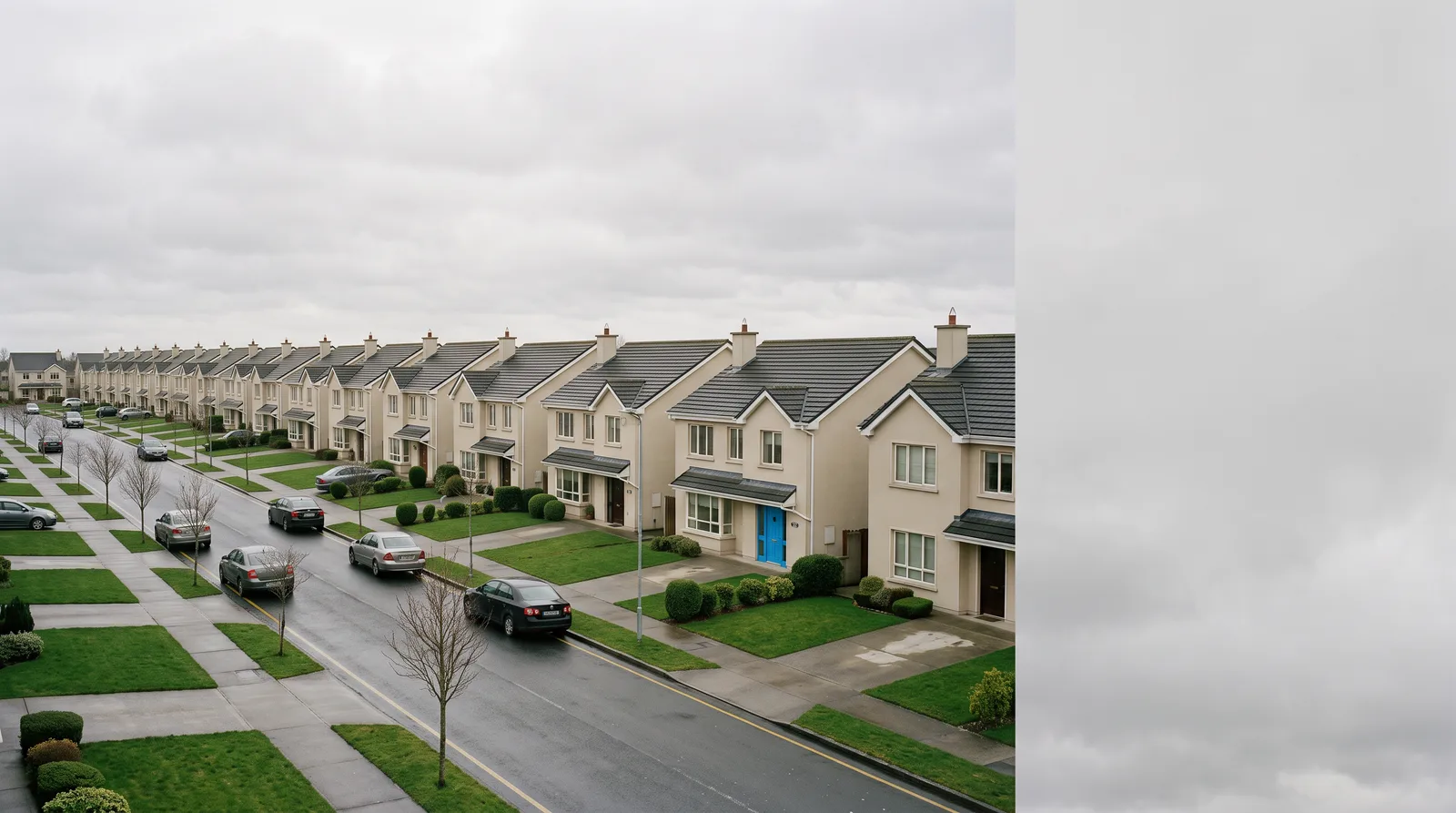
Before you trust the sheet, run the version most agents run. Paste only the top half of it, the specs and the changed block, into a fresh thread and type this:
Write a real estate listing description for the house above.
This reply came back, 96 words:
Welcome to 2417 Alder Street, a charming 3 bedroom, 2 bath home tucked away on a quiet street and perfect for a growing family. Gleaming original oak floors lead to a stunning remodeled kitchen with quartz counters and a gas range, ideal for entertaining. The screened back porch is the perfect spot to unwind, and the fenced yard has room to play. With a newer roof, updated heat pump, and a one car garage plus carport, this move-in ready gem has it all. Minutes from Harlow Park and downtown, it will not last. Schedule your showing today.
Read it as a buyer who has opened forty tabs this week. Four things stand out:
- Nine tired phrases in 96 words: charming, perfect for a growing family, gleaming, stunning, ideal for entertaining, the perfect spot to unwind, gem, has it all, will not last.
- Invented lines. "Quiet street" appears nowhere in what the model was given. "Move-in ready" is a promise that the bottom half of the sheet would have contradicted, since the original pink tile and the single pane front windows were never in front of the model. "Newer roof" turned a 2019 into a vague.
- It talks about the buyer. "Perfect for a growing family" and "room to play" describe who should live there, not the house.
- It opens with "Welcome to" and the address, which the buyer already has.
A model completes the likeliest next words. Hand it three bedrooms and two baths with no detail, and the likeliest words are the ones every other listing used. Some of this reply is invented and all of it is interchangeable.
That is the baseline. The next draft has to beat it on facts, and adjectives will not do it.
Keep this reply in the thread. It gets a second job in the fair housing step.
How to use AI to write real estate listing descriptions with a banned list
Now the full sheet is in play, along with the photo notes. Send this in the thread:
Write the public remarks for the listing on the facts sheet, using only the facts sheet and the photo notes.

1. Open with the detail under THE DETAIL ONLY THIS HOUSE HAS. Do not open with "Welcome" or the address.
2. Every claim must trace to the sheet or the photo notes. If it is not there, it is not in the draft.
3. Use the years and numbers the sheet gives. Never write "recently," "newer" or "updated throughout" where a year exists.
4. Say what did not change in the same plain tone as what did.
5. Never use: stunning, charming, gem, dream, must-see, oasis, retreat, sun-drenched, gleaming, spacious, cozy, entertainer's, move-in ready, tucked away, has it all, won't last.
6. Describe the house, never the buyer. Follow the DO NOT SAY block.
7. 120 to 170 words. Plain paragraphs, no bullets, no exclamation marks.
8. Put the price on its own last line.
The reply, 144 words:
The sellers eat dinner on the screened back porch from April through October, and the fig tree by the back fence bears in August. That is 2417 Alder Street: three bedrooms, two baths and 1,640 square feet on one level, built in 1962 and updated in pieces.
The oak floors were refinished in 2021. The kitchen was remodeled in 2022 with white shaker cabinets, quartz counters and a gas range, and the window over the sink faces east. The hall bath still has its original 1962 pink tile, kept on purpose. The roof is from 2019 and the heat pump from 2017. The front windows are original single pane, the back windows are double pane.
There is a one car garage plus a carport, and the workbench stays. Harlow Park is about a six minute walk, and downtown is a 12 minute drive.
$389,000
Compare it with the lazy reply. Four differences carry the whole improvement.
The first line is the porch and the fig tree. Where a portal folds the description behind a "more" link, the first line is the only one outside the fold, and this one tells a buyer something no other listing in town can say.
Every number has a year. The model kept "updated in pieces" as the honest summary of a 1962 house with a 2022 kitchen and an original bath.
The adjectives are gone. The prompt never said "be vivid" or "write compellingly." Tell a model to be vivid and you get the adjectives. Tell it to open with a fact and trace every claim to a source, and you get a listing.
Then there is the line about the windows. The sheet said to say it plainly, so the reply says the front windows are single pane. That is your call and your seller's. Some sellers will want it left out of the public remarks and handled in the disclosures. Decide before the draft goes live, not after the buyer's inspector decides for you.
Rule 5 is a starter list. Add the three words you wince at when you read other agents' listings, and the list becomes yours.
Make the draft show its work
A draft that reads well has passed the wrong test. It sounds true, which is different from being true, so the next prompt makes the model check its own text against the sheet:
Audit the draft against the facts sheet and the photo notes.

1. Make a table with one row per claim: the claim, where it comes from (sheet, photo, or neither), and a verdict of supported, softened or unsupported.
2. Include adjectives and implied claims, not just numbers.
3. Then list the three riskiest lines to confirm with the sellers before this goes live.
Writing and auditing are different jobs. The model is checking text against a sheet and has no buyer to persuade, which suits the second job better.
Here are the rows from the reply that mattered:
| Claim | Source | Verdict |
|---|---|---|
| The sellers eat dinner on the screened porch from April through October | Sheet, detail block | Supported |
| The fig tree bears in August | Sheet, detail block | Supported |
| Updated in pieces | Inferred from the changed and not changed blocks | Softened |
| Heat pump from 2017 | Sheet | Supported |
| Harlow Park is about a six minute walk | Sheet, sellers' estimate | Softened |
Its three riskiest lines were the walk time, the window sentence and "updated in pieces."
Two verdicts are worth your attention. "About a six minute walk" is the sellers' guess, and a buyer will test it with a phone. Open a map and time it yourself. If it is ten minutes, the number changes in the draft and nobody argues with the model about it.
"Updated in pieces" is a summary the model built from two blocks of the sheet. It is accurate, and it is also the kind of line that goes wrong in another house, so keep it only because you checked it.
No row came back unsupported. That belongs to the second draft. The unsupported rows live in the lazy one, where "quiet street" has no source anywhere.
When a row does come back unsupported, you have two choices: cut the line or find the source. Send the seller one text with every open question at once, such as whether the street is quiet at night and whether the walk to the park is closer to five minutes or ten. Write the answers into the sheet and not into the draft. The sheet is the source of truth, and the next draft reads from it.
Adjectives are claims. If a draft says "sunny," the word needs a line in the sheet or the photo notes behind it, and where neither has one, the word goes.
Leave the table in the thread. Six weeks later, when a seller asks where a line came from, the answer is already filed.
Run the fair housing pass on every draft

The Fair Housing Act has a section about advertising that reads as if it were written for listing descriptions. 42 U.S.C. 3604(c) makes it unlawful "to make, print, or publish, or cause to be made, printed, or published any notice, statement, or advertisement, with respect to the sale or rental of a dwelling that indicates any preference, limitation, or discrimination based on race, color, religion, sex, handicap, familial status, or national origin."
Look at the phrase "cause to be made." If a model drafts your remarks and you publish them, they are your advertisement.
HUD's regulation at 24 CFR 100.75 gets specific about the form. It covers "words, phrases, photographs, illustrations, symbols or forms which convey that dwellings are available or not available to a particular group of persons." Photographs are on the list, so the pass covers the pictures you choose as well as the sentences.
In May 2024 HUD issued guidance on how the Act applies to advertising through digital platforms, with algorithmic ad targeting in view. That guidance is about who sees an ad. The words in your description sit under the section above, which dates to the Act's passage in 1968.
There is no current official word list to paste into a prompt. HUD once published one in Part 109 of its regulations, and the former text is still a useful picture of what a regulator looks at. It names "adult building" and "singles," and it says that "references to a synagogue, congregation or parish may also indicate a religious preference." It also defines familial status as households with children under 18, including anyone pregnant or in the process of securing custody.
So the working test is a sentence, not a list: describe the house, never who should live in it.
Here is the prompt:
Read the draft the way a fair housing reviewer would.

1. Flag any word, phrase or detail that states or implies a preference or limitation based on race, color, religion, sex, disability, familial status or national origin, or that describes who the buyer is or should be.
2. Quote each flag, name the class it touches, and offer a plain description of the house or the feature instead.
3. If there are no flags, say so, and list the three lines you looked at hardest.
Run it first on the lazy draft from earlier. The reply:
- "perfect for a growing family" (familial status). It says who the house is for. Replace with the fact: "three bedrooms on one level."
- "room to play" (familial status, borderline). It implies children. Replace with "fenced back yard on a 0.21 acre lot."
- "quiet street" is not a protected class issue, but nothing in the sheet supports it. Cut it.
No flags on the floors, kitchen, porch, roof or heat pump.
Then run it on the final draft. The reply:
No flags. Lines I looked at hardest: the sellers eat dinner on the screened porch, which describes the owners' habit and says nothing about who should buy. The pink tile kept on purpose, which is a fact about the bath. The walk to Harlow Park, which is a distance with no reference to who lives nearby.
The lazy draft earned its second job. It shows what the pass catches when there is something to catch.
This is the paperwork side of the job, and the model is a second reader. It can miss a phrase your broker's compliance person would catch, and it can flag a phrase that is fine. Your brokerage policy and your MLS rules decide what runs. Use the pass to catch the obvious before a person reads the draft, and send anything you doubt to your broker. Nothing here is legal advice.
Put the same prompt to three models and pick the answer

One model has now written the listing. Whether it wrote the best version is a question you can answer in a few minutes.
In Magai you can put the same prompt to two or three models in one thread and read the answers side by side, so you pick the answer rather than the vendor.
Here is the sequence:
- In the thread that already holds the sheet, the photo notes and the rules, send the banned list prompt with /Claude in the message.
- Send "Write it again under the same rules" with /GPT in the message. Then again with /Gemini.
- Run the audit and the fair housing pass on each draft, or only on the two you like.
Nothing gets pasted twice. The thread carries the sheet, the photo notes and the rules to every model you call, because switching models in a Magai thread does not reset its memory. In a set of separate chat apps you would paste the sheet three times and the drafts would live in three tabs.
Score each draft out of five:
| Check | How to test it | Points |
|---|---|---|
| Opens with the true detail | Does line one say something no other listing could? | 1 |
| Every claim traces | Run the audit. Any unsupported row loses the point. | 1 |
| No banned words | Search the draft for the list. | 1 |
| Clean fair housing pass | Run the pass. Any flag loses the point. | 1 |
| Sounds like you | Read it aloud as if to a buyer at the door. | 1 |
Add a column for each model and fill it in. A tie goes to the draft you would edit least.
You may think three drafts means three times the reading. It does not. Read line one of each. A draft that loses on line one does not need the rest.
Which model wins changes with the house, which is why this is a step and not a recommendation. A ranch with a story and a condo with a view are different jobs. Over three or four listings a pattern shows up, and that pattern is worth more than anyone's ranking, mine included. For the wider picture of which model suits which writing job, see best AI for writing, and for the mechanics, how to switch models without losing the thread.
Here is the concession. If you list one house a month, skip this step. Pick a model, use the sheet and spend the time walking to Harlow Park.
If you write three listings a week, it is the cheapest quality control you have.
Cut it to the length each place allows
The draft is 144 words. Your MLS field, the portal preview and the Instagram caption each want something different, and trimming by hand is where good first lines die.
Ask for the cuts in the same thread:
Cut the final draft into three versions without adding a fact.

1. The full public remarks, unchanged.
2. A version that fits the MLS field limit on the sheet, counted in characters.
3. A portal preview line under 350 characters that keeps the idea of the first sentence.
The third version, as it came back:
The sellers eat dinner on the screened porch from April through October. Three bedrooms, two baths, 1,640 square feet, original oak floors refinished in 2021, kitchen remodeled in 2022, roof from 2019. The hall bath keeps its original pink tile, on purpose. One car garage plus carport. Harlow Park is about a six minute walk. $389,000.
That is 336 characters. It kept the porch, the numbers with their years and the pink tile. It dropped the window sentence and "updated in pieces."
Cutting for length is also editing for emphasis, and this cut chose well. Keep the pink tile. It is the line a buyer repeats to a spouse in the car.
Check the character count yourself. A count is the kind of claim a model gets wrong without noticing, and an MLS field that rejects your paste costs you time you were trying to save. Your board sets the real limit, and some fields count line breaks differently, so test one paste before you rely on it.
Run the audit and the fair housing pass again on any cut that changed wording. Cutting is rewriting, and a rewrite is a new draft.
The same sheet now feeds everything else about the listing. The open house post, the email to your list and the caption under the exterior photo all start from the same verified facts, so none of them can drift from the description.
Save the setup as an agent so the next listing starts halfway done

Everything above lives in one thread. The next listing should not make you rebuild it.
An agent in Magai is a set of reusable instructions that runs on any model. Build one called Listing writer, and the steps above become its habits. These are the instructions to paste in:
You write public remarks for residential listings for [your name] at [your brokerage].

Work in this order every time:
1. If the facts sheet or the photos are missing, ask for them. Do not write without both.
2. Read the photos back as a table of what is plainly visible. List conflicts with the sheet and anything the sheet mentions that no photo shows.
3. Write the draft to the house rules below.
4. Audit your own draft claim by claim against the sheet and photo notes. Show the table.
5. Run the fair housing pass. Show the result.
6. Offer three cuts: the full remarks, the MLS limit on the sheet, and a preview line under 350 characters.

House rules:
1. Open with the detail only this house has. Never open with "Welcome" or the address.
2. Every claim traces to the sheet or the photo notes.
3. Use years and numbers. Never "recently," "newer" or "updated throughout" where a year exists.
4. Say what did not change in the same plain tone as what did.
5. Never use: [paste your banned list].
6. Describe the house, never the buyer.
7. 120 to 170 words unless told otherwise. No bullets, no exclamation marks.
8. Price on its own last line.

My voice, from three listings I wrote and liked:
[paste three past listings]
Paste three of your own best listings at the bottom. They teach the agent your rhythm better than any list of adjectives could, and they are the one place in this setup where you want a model to imitate you instead of the median listing.
Because an agent runs on any model, the three model comparison still works. Switch the model and keep the agent.
The instructions are only as good as their last edit. After each listing, move one lesson back into them: the third time a model opens with "Welcome," make the rule louder, and the first time a seller objects to a line, add that line to the banned list. Ten listings in, the agent carries ten corrections you no longer have to remember.
If the seller's notes live in Gmail or Google Drive, connect that integration to the agent so it works from where the notes already are. Magai has more than 150 integrations, and they connect directly to agents, so the agent can act on your tools instead of only answering in a chat window.
Keep each listing's thread in a folder named for the address. When the audit table is the record, the folder is the filing cabinet.
If you have never built an agent, how to build an AI agent without writing code walks through it. For the other jobs in your week, the prompts in AI prompts for real estate agents fit the same agent habit.
Next time, drop in the sheet and the photos
The next listing starts like this. Open the Listing writer agent, attach the sheet and the photos, and type the address. That is the whole message.
The rest of the week runs on the same habit: facts first, then the model, then the audit. The open house follow-up, the neighborhood guide a buyer asked for and the reel that needs a script all go faster when the facts are on the page before the model is.
The reel is where the habit pays most, because a script lives or dies on its first line. How to use AI to write YouTube scripts works the hook first, and it carries over to a thirty second walk through a screened porch.
What is the one detail about your next listing that no other listing in town can claim?
Write it at the top of the sheet. Then let the model type.
More in AI for Business

AI for Business
How to Use AI for Contract Review, Clause by Clause
How to use AI for contract review: compare a draft to your firm's standard, catch missing clauses, and draft client questions. Verify every quote.

AI for Business
AI for Small Business: Five Jobs to Hand It First
AI for small business, done as five jobs: customer replies, posts, quote follow-ups, numbers and procedures, in one thread that knows your shop.

AI for Business
AI Tools for Business: Pick the Job, Then the Tool
The best AI tools for business start with the job. Sort your work into six jobs, test three for two weeks, and pay for fewer tools.