
AI for Small Business: Five Jobs to Hand It First
AI for small business, done as five jobs: customer replies, posts, quote follow-ups, numbers and procedures, in one thread that knows your shop.

Don't adopt AI. Hand it five jobs.
AI for small business works when you give it specific chores that repeat every week: replies to customers, a week of posts, follow-ups on unanswered quotes, a question about your numbers, and a written procedure. It drafts, you check, and your name stays on every send button.
Think of the model as a temp who starts this morning. Sharp, fast, and knowing nothing about your shop. You would never tell that person to "help with marketing." You would hand them a binder and a short list, then read over their shoulder for the first hour.
You are not late, either. The Census Bureau's business survey put AI use between 17% and 20% of U.S. businesses from December 2025 to May 2026, and under 20% among firms with four or fewer employees. The shop across the street is probably as buried as you are.
One binder, five jobs, and a check before anything goes out.
The examples below use a made-up bike shop, Birch Street Cycles: four employees, a repair bench, and an owner named Dana who answers email at 9pm. Swap in your own business. The steps stay the same.
Start AI for small business with five jobs from last week's sent folder
Open last week. Your sent mail, your calendar, the texts you answered from the truck. Mark any task that passes all three of these tests.
- It came up before, and it will come up again next week.
- It is words, lists or numbers you already have, not a decision.
- You can check the result in under two minutes.
A task that fails one test waits. A task that passes all three is a first job.
Dana's week produced more than five candidates. She kept the five where a bad draft costs a rewrite and a good one gives back an evening. Here is her set, with what goes in and who checks each one:
| Job | What goes in | Who checks it |
|---|---|---|
| Customer replies | The customer's email and the shop's policies | Dana reads every draft before it goes |
| A week of posts | Her own notes on what happened in the shop | Dana strikes any claim she cannot stand behind |
| Quote follow-ups | The list of quotes nobody answered | Dana skims the list and each draft |
| A question about the numbers | The monthly sales export | Dana recomputes three figures by hand |
| A written procedure | Her answers to an interview | The mechanic who does the job reads it |

Look at what is missing. Pricing, payroll and a website rewrite all feel like big wins, and they all fail the third test. You cannot check a pricing recommendation in two minutes, so you cannot hand it over yet.
Start where a mistake costs you a rewrite and never a customer.
The first jobs are small on purpose. The Census Bureau changed its survey wording in November 2025 from AI used "in producing goods or services" to AI used "in any business function," which takes in plain jobs like drafting an email.
Write the business brief once, then ask what the model would have to guess
Every job below leans on one document, the brief: what the business is, how it talks, and what it promises customers. It is the binder you would hand the temp. Without it the model fills each blank with an average business, and the average business is not yours.
Dana started with five lines and a title.
Business brief: Birch Street Cycles
We are a four person bike shop. We sell new and used bikes and repair all makes.
Voice: friendly, plain, a little dry. First names. No exclamation marks.
Hours: Tuesday to Saturday, 10 to 6.
New bikes can be returned unridden within 14 days with the receipt.
Repair quotes are given at drop-off.

Before she asked for a single reply, she asked the model what it would have to guess. In a new Magai thread she pasted the brief and typed:
Read the brief above. List every question a customer could ask where you would have to guess the answer. Do not answer them. Only list them.
The reply, trimmed:
- Do used bikes have any return or warranty?
- How long do repairs take, and what happens if a bike sits after you call?
- Do you rent bikes, and at what price and deposit?
- Do you ship bikes or parts?
- Can a customer get a quote by email or by photo?
- Do you offer payment plans?
- What happens if a repair fails after pickup?
- What should I say when a customer mentions a crash or an injury?
- What should I say when I do not know the answer?
Nine questions from a five line brief, and every one was a gap. The last two were the useful ones. Dana had never written down what her shop does not say. She answered all nine, and the brief grew into this:
Business brief: Birch Street Cycles
Who we are: A four person bike shop in a small town. We sell new and used bikes, repair all makes, and rent e-bikes by the day.
Who we serve: Commuters, families buying a first real bike, and weekend riders. Many customers have known us for years.
Voice: Friendly, plain, a little dry. First names. Short sentences. No exclamation marks. Never "valued customer."
Hours: Tuesday to Saturday, 10 to 6. Closed Sunday and Monday.
Repairs: Quotes are given at drop-off. Repairs take 3 to 5 working days. We call before doing any work over the quote. A repair that fails within 30 days is redone at no charge. Repairs are not refundable.
Returns: New bikes can be returned unridden within 14 days with the receipt. Used bikes are final sale.
Rentals: E-bikes are $65 a day with a $40 deposit hold on a card. A helmet is included.
We do not ship. We do not offer payment plans.
Never promise a completion date for a repair.
Never say anything about the cause of a crash or an injury. Say "I'm sorry to hear that" and flag it for Dana.
When unsure: say "Let me check with Dana and get back to you today," and list the question for Dana.
A gap the model fills with a guess becomes your policy the moment a customer reads it.
In 2024 a British Columbia tribunal held Air Canada liable for incorrect refund information its website chatbot gave a customer, and it rejected the airline's argument that the chatbot was a separate entity. The logic was short: the chatbot is part of the website, so the company answers for what it says. A draft you send under your own name carries the same weight.
In Magai, paste the finished brief into an agent's instructions and name the agent after the shop. An agent holds your instructions and runs them on whichever model you choose, so every job starts in a thread with the brief already loaded. The steps for making one are in the walkthrough on building an agent with no code.
Then switch models whenever a job calls for it. A Magai thread keeps its memory across a model switch, so you can ask /Claude for the careful email and /GPT for the posts without pasting the brief twice.
Draft the reply to the customer who is already angry
The email you want to answer last is the one to hand over first, because it is the one you write worst at 9pm. Here is the one waiting for Dana, from a customer named Chris:
I dropped my bike off Tuesday and you said 3 to 5 days. It is day 6 and nobody has called me. This is ridiculous.

She opened a thread with the shop's agent and typed:
/Claude Reply to this email as Dana, using the brief. Do not promise a completion date. If you say anything the brief does not cover, list it for me at the bottom under Check.

[Chris's email pasted here]
The /Claude pill sends this one message to Claude, and the brief rides along in the agent's instructions. The reply, trimmed:
Hi Chris,
You're right, and I'm sorry. We told you three to five working days and we're past that without a call from us. That one is on us.
I'll look at your bike on the bench this morning and call you by noon with where it stands. If a part is holding it up, I'll tell you which one.
Dana Birch Street Cycles
Check: I said you would call by noon, which the brief does not cover. I do not know whether the bike is waiting on a part.
Keep the second sentence. It owns the miss, and owning the miss is what Chris wanted.
Change the noon call. The brief says never promise a date, a callback time is a promise of a different kind, and only Dana knows whether she can make it. The Check line caught its own promise because the prompt asked for one, and that line is the habit worth keeping. It turns invisible guesses into a list you can read before you hit send.
Every draft gets the same three checks: the facts against the brief, the promises against your calendar, and the tone read out loud. Dana put the noon call in her calendar, then sent it.
You may be thinking that reading every draft is the job you were trying to skip. Fair. But reading is faster than writing, and you were going to read it anyway. What you skip is the blank page at 9pm.
Strike "thank you for your patience" on sight. It tells the customer nobody read the email.
Once one reply works, the Tuesday pile works the same way. Number the morning's questions in one message and ask for one reply each, with a single Check list at the bottom. The hotel version of this routine, including how to sort a week of reviews by severity before answering any of them, is in how to use AI to respond to guest reviews.
Turn a week of notes into posts that sound like the shop
Dana does not write posts. She keeps notes, the way she would tell a friend what happened this week.
Tuesday: customer brought in a 1987 Schwinn Varsity that sat in a garage. We rebuilt it. New tires, cables, bar tape. Kept the original paint.
Wednesday: e-bike rentals open for the holiday weekend, $65 a day.
Saturday: helmet fit night, 5 to 7. Bring your helmet.

She switched models for this one, because the posts are a different kind of writing than the apology.
/GPT Write three posts for the shop's Facebook page from these notes, one per item. Use the brief for voice. Use only facts in the notes. No hashtags. Under 60 words each. At the bottom, list any detail you added under Added.
The first post, trimmed:
A 1987 Schwinn Varsity rolled in after years in a garage. New tires, new cables, fresh bar tape, and we kept the original paint, scratches and all. It's on the floor if you want to see it.
Added: "after years" (the notes say it sat in a garage, not for how long), "scratches and all", "on the floor"
The Added line is the whole edit. Three items, one decision each. Dana kept "scratches and all" because she had seen the paint. She cut "after years" because she did not know how long the bike sat, and a post is a claim.
The second post is where the brief and the calendar disagree:
E-bike rentals are open for the holiday weekend. $65 a day, helmet included, and a $40 deposit hold on a card. Stop by Tuesday to Saturday, 10 to 6.
Added: "helmet included" and "$40 deposit hold" (from the brief, not the notes), "Tuesday to Saturday, 10 to 6" (from the brief)
The hours came from the brief, and the brief says the shop is closed Sunday and Monday. A holiday weekend runs through Monday. Dana's notes said nothing about holiday hours, so no note could have warned the model. She fixed the hours by hand and added a line to her notes for next time: always say whether holiday hours differ.
A model that writes "after years" is not lying. It is filling a blank, and you are the one who knows what belongs there. Three kinds of detail get struck on sight: superlatives ("best in town"), time claims ("all week") and anything about a named person.
One thing never goes through this step: customer reviews. The FTC's final rule on fake reviews and testimonials covers reviews by someone who does not exist, such as AI-generated fake reviews, and it prohibits businesses from creating or buying them. A model can draft your reply to a review. It never drafts the review.
To spread this across a month and split it by platform, build the month from one pillar piece.
Chase the quotes nobody answered
The third nudge is the email nobody wants to write, so nobody writes it, and the quote sits in the sent folder. Dana's list:
| Customer | Quote | Sent |
|---|---|---|
| Priya | E-bike conversion | 6 days ago |
| Marcus | Tune-up for two bikes | 19 days ago |
| Tom and Lisa | Used cargo bike | 33 days ago |
| Ahmed | Wheel rebuild | 52 days ago |
She pasted the table into the thread with this prompt:
Here are the quotes I sent that nobody answered. Write one follow-up email for each, as Dana, using the brief. Match the tone to the age. Under 14 days is a light nudge. From 14 to 45 days is a check-in with an easy way to say no. Over 45 days closes the loop and says the quote has expired. Keep each under 70 words. Do not mention a discount.
Three of the four replies, trimmed:
Priya: Hi Priya, just making sure the e-bike conversion quote reached you. Happy to talk through any part of it. Dana
Marcus: Hi Marcus, checking in on the tune-up quote for your two bikes. If the timing is off or you went another way, no hard feelings. Just tell me and I'll close it out. If you'd like to go ahead, reply here and we'll set a drop-off day. Dana
Ahmed: Hi Ahmed, I'm closing out the wheel rebuild quote from last month, since our quotes hold for 30 days. If you still want it, reply and I'll re-quote it at today's parts prices. Dana
Marcus's draft is ready to send. Priya's is fine, but six days is early to chase anything. The tiers are Dana's own rule from the prompt, and she can move them, so she dropped the nudge tier and started the list at 14 days.
Ahmed's contains a policy: "our quotes hold for 30 days." The brief never said that. The prompt told the model to call the quote expired, the model needed a reason, and it supplied one. Dana liked the policy, so she added "Quotes hold for 30 days" to the brief. Had she not, she would have deleted the clause. Either way the decision was hers, and the model made it first.
With Gmail connected to the agent, the drafts can be written where the quotes live. Magai connects 150+ third-party apps to agents so they act on your tools instead of only answering in a chat window. Put "draft only, never send" in the agent's instructions, open each draft in your own mail, and send the ones you would sign.
Ask your own numbers a question, then check three of them
Dana's sales export is a spreadsheet she opens when the accountant asks. She dropped it into the thread as a file, so every later question works from the same numbers. Here is the part the prompt needs:
| Category | August | September | October |
|---|---|---|---|
| New bikes | $18,400 | $15,200 | $11,800 |
| Used bikes | $4,100 | $5,300 | $6,400 |
| Repairs | $7,900 | $8,600 | $9,500 |
| Rentals | $3,600 | $2,100 | $700 |
| Parts and accessories | $5,200 | $4,900 | $6,100 |
| Total | $39,200 | $36,100 | $34,500 |
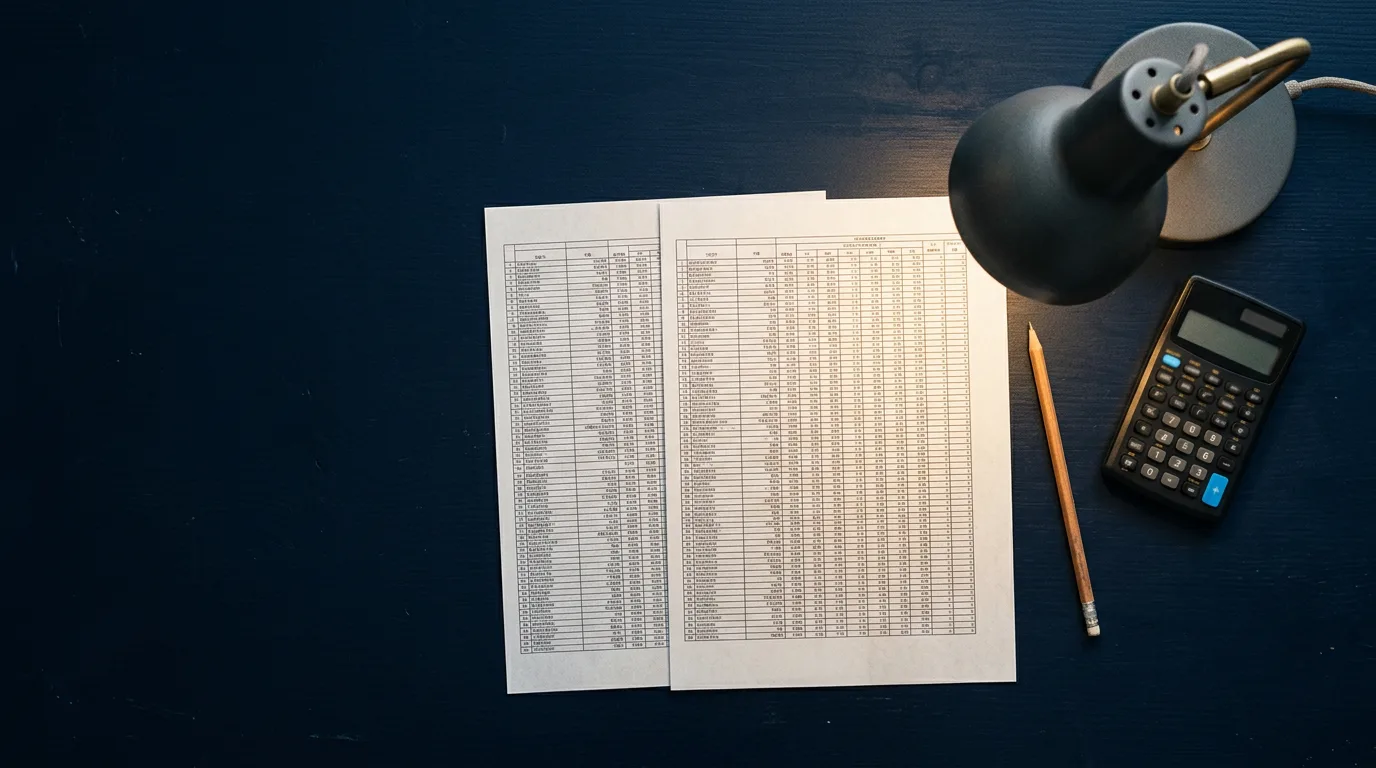
Tell the model what the numbers are before you ask anything. Dana's export is dollars collected, net of refunds. A model that assumes invoiced dollars will describe a different business, and one line above the table prevents it.
These are dollars collected, net of refunds. Here is our monthly sales by category for August, September and October. Which category fell the most from August to October, in dollars and in percent? Which grew the most? Show the arithmetic for each. Do not guess at causes. Tell me what you would need to know to find one.
The reply, trimmed:
Largest dollar drop: New bikes, down $6,600 ($18,400 to $11,800), a 35.9% decline.
Largest percent drop: Rentals, down $2,900 ($3,600 to $700), an 80.6% decline.
Largest growth: Used bikes, up $2,300 ($4,100 to $6,400), a 56.1% increase. Repairs rose $1,600 (20.3%) and parts and accessories rose $900 (17.3%).
Total: Sales fell $4,700, from $39,200 to $34,500, down 12.0%.
I cannot tell why from this table. To find a cause I would need rental days available each month, bike inventory at the start of each month, any price changes on new bikes, and the dates of local events or weather.
Every figure holds. Dana checked three anyway: the August total (add the five categories), the rental drop (3,600 minus 700), and the new bike percentage (6,600 divided by 18,400). A model does arithmetic in words, and a wrong digit reads exactly like a right one. Asking for the working is what makes a figure checkable in a minute.
The last line is the one to value: "I cannot tell why from this table." Ask a model why rentals fell without that instruction and it will hand you the weather, the economy and a recommendation. A guessed cause is a story, and you cannot check a story.
Rentals fell hardest in percent. New bikes fell hardest in dollars. Ask for both, because they point at different problems.
Then ask the second question while the file is still in the thread: which two categories moved in opposite directions, and by how much. The thread already holds the table and your note on what the numbers mean, so the follow-up costs one line. The full routine for checking an export before the model writes a word is in how to use AI for client reporting.
Write down the procedure that lives in one head
Every shop has a procedure that exists only in one person's head. At Birch Street it is what happens when a repair fails. Dana does not want to write a document. She is willing to answer questions, so she lets the model interview her.
/Gemini I want to write down what we do when a repair fails within 30 days. Interview me. Ask one question at a time, wait for my answer, and stop when you have enough for a one page checklist a new hire could follow without asking anyone. Start.
Switching to Gemini mid-thread kept the brief and everything above it, so the interviewer already knew about the 30 day redo. The first exchanges:
Gemini: When a customer comes back and says the repair failed, what is the first thing you do?
Dana: Pull the original ticket.
Gemini: What if they lost their copy?
Dana: Search by name or phone number in the repair log.
Gemini: What if the new problem is a different part than the one you repaired?
Dana: Huh. I'd quote it as a new job, I think. I never wrote that down.
The checklist at the end, trimmed:
Repair failed within 30 days
- Find the original ticket. If the customer lost their copy, search the repair log by name or phone number.
- Check the date. Within 30 days, the redo costs the customer nothing.
- Ask the mechanic who did the work to look at the bike before anyone suggests a cause.
- Tell the customer you will call. Do not promise a date.
- Write "redo" on the new ticket, with the original ticket number beside it.
- If the new problem is a different part than the original repair, it is a new job. Quote it and call Dana.
Step 6 exists because the model asked a question Dana had never answered. The interview found a gap in the business, and no summary of the business could have. Hand the checklist to the mechanic who does the job. If he winces at step 3, the checklist is wrong and he is right.
Make Monday build its own list
Four of the five jobs start with something that arrived over the weekend, so Dana lets Monday build its own list. She connects Gmail and Google Calendar to the agent, creates a scheduled task, picks the shop agent, sets it for Monday at 7:00 a.m., and gives it this prompt:
Read my Gmail from the last seven days and my calendar for the coming week. Write a one screen brief with three headings. Answer: customer emails I have not replied to, oldest first. Chase: quotes I sent with no reply, with the age in days. Prepare: what is on my calendar this week and anything I need to bring. Write a draft reply for every Answer and Chase item and leave it as a draft. If a heading has nothing under it, write "Nothing this week." Never send anything.

The "Nothing this week" line matters. Tell a model to fill three headings and it will fill three headings, even on a quiet Monday, and the padding looks exactly like real work. Give it permission to come up empty.
Run it once by hand before you trust the schedule. Read the Answer list against your own inbox. If an email you already answered shows up, tighten the prompt. If one you missed does not, tighten it harder, and keep the first few briefs open next to your inbox until the list stops surprising you.
Then read it in the order it is written. Answer first, because a customer is waiting. Chase second, because money is waiting. Prepare last, because your calendar already told you.
Standard includes 100 scheduled task runs and Pro includes 1,000, so a weekly task takes a handful and leaves the rest for other work. The page on scheduled tasks and workflow automation covers what a task can run.
The binder is what makes this work. A scheduled task has nobody to ask. What it knows about your shop is what you wrote down, and that is why the gap list came first.
Decide what stays yours, then see what it costs
Five jobs produce drafts. They never produce decisions. This is the line Dana keeps between the model's work and her own:
| Hand it | Keep it |
|---|---|
| First drafts of replies, posts and follow-ups | The decision to refund, discount or make an exception |
| Sorting, listing and summarizing what you already have | Prices, and any promise about a date |
| Arithmetic and comparisons, with the working shown | Anything about an injury, a diagnosis, a tax filing or a contract |
| Turning your answers into a checklist | Who you hire and who you let go |
The line moves. A year from now you may trust the model with refund rules you have written down in full, and the checks above will tell you when that day has come. It stops being true in a regulated field, where the Keep column is longer and a model's citation is a lead to verify in the source, never the answer.
Until then a wrong draft costs you a rewrite, and a wrong decision is yours.
What you paste matters too. Magai never uses your prompts, files, inputs or outputs to train any model from any provider on the platform, and conversations stay private to you and the teammates you invite. Even so, keep card numbers and government ID numbers out of every thread, the way you would not hand them to a temp on day one.
Dana's whole setup runs on one Magai plan. Standard is $20 a month for the first seat and $20 for each extra seat, so four people cost $80 a month, with every standard model, unlimited agents and $20 of monthly usage. Subscribing separately to ChatGPT Plus, Claude Pro, Gemini Advanced, SuperGrok and Perplexity Pro runs about $100 a month for one person, and none of them remembers what you told the others. The math is laid out in best AI bundle subscriptions. Every plan carries a 30 day, 100% money back guarantee, and the pricing page lists what each one includes.
Pick one job from last week. Write the binder. Ask what the model would have to guess, then hand it the job in Magai.
Five jobs. Your name on every send button.
More in AI for Business

AI for Business
AI Tools for Business: Pick the Job, Then the Tool
The best AI tools for business start with the job. Sort your work into six jobs, test three for two weeks, and pay for fewer tools.

AI for Business
How to Use AI to Write a Consulting Proposal
How to use AI to write a consulting proposal: turn discovery notes into scope, phases, price and named risks, and catch what the model gets wrong.

AI for Business
The ChatGPT Outage Alternative That Actually Works
Bookmarking three AI chatbots is not a plan for when ChatGPT goes down. Here is the workflow redundancy that keeps your context intact instead.